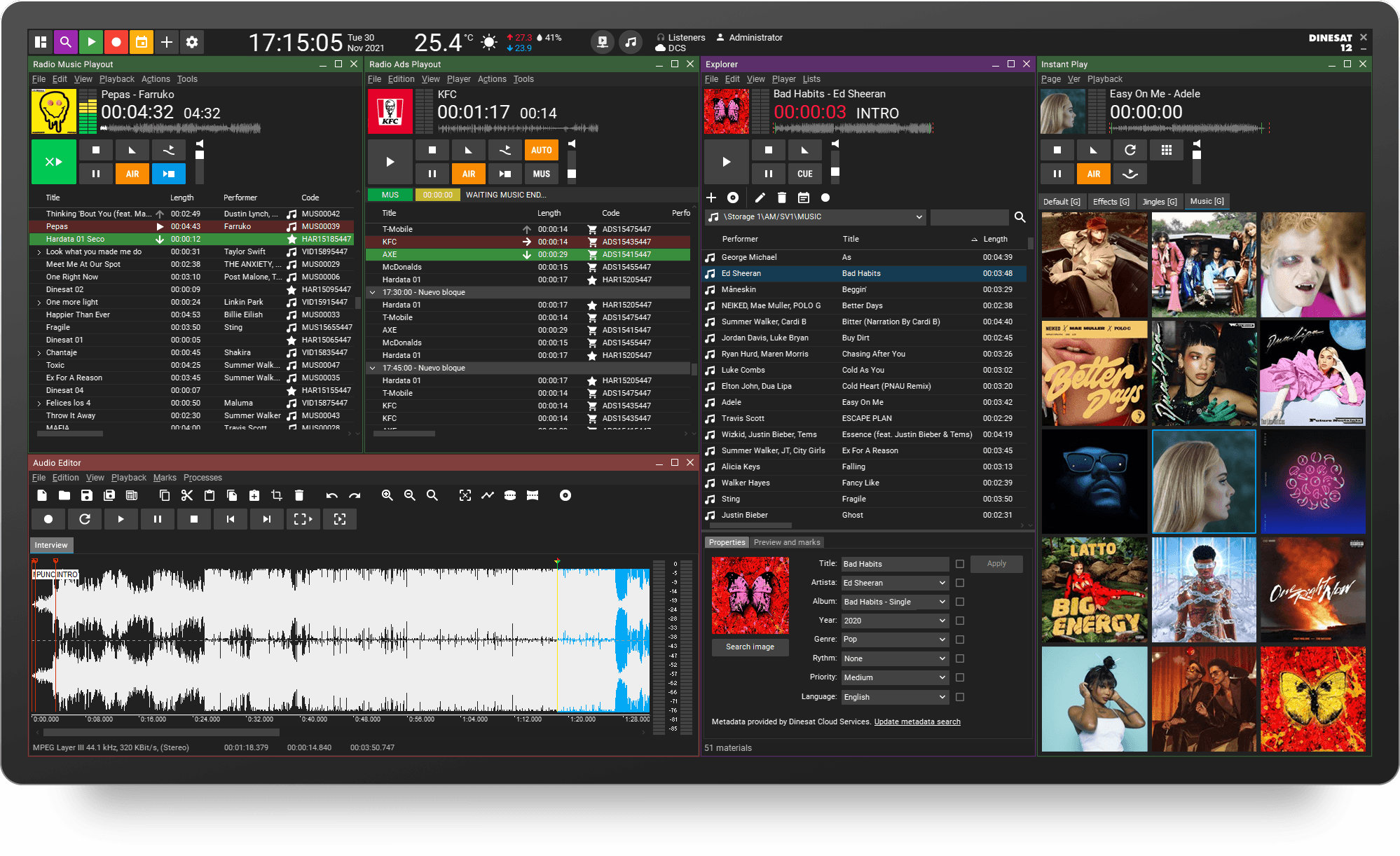
Revoluciona tu radio con
 Automatización + Inteligencia Artificial
Automatización + Inteligencia Artificial
Automatización + Inteligencia Artificial
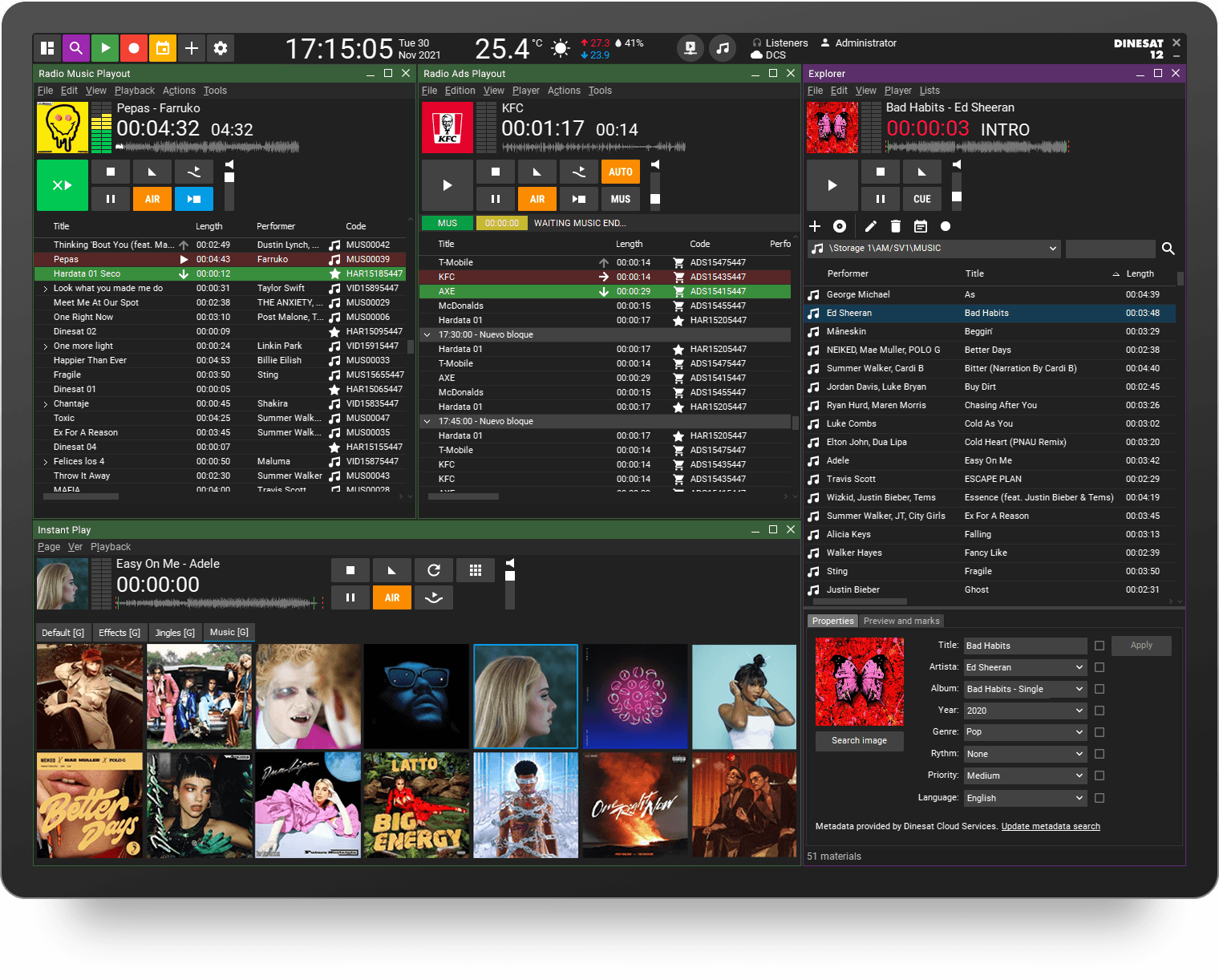
DINESAT 12 es un automatizador pensado para pequeñas y medianas emisoras de radio. Desarrollado para lograr una emisión prolija y profesional de tu contenido.
During puberty, boys and girls experience rapid physical changes, including the onset of menstruation, growth spurts, and the development of secondary sex characteristics. As they explore their bodies and identities, they may have questions and concerns about sex, relationships, and their own sexuality. Without proper guidance, they may turn to unreliable sources, such as peers or the internet, which can lead to misinformation, confusion, and potentially harmful behaviors.
Sexual education is a vital component of a young person's development, empowering them to make informed decisions about their health, relationships, and future. As we reflect on the past, present, and future of sexual education, it is clear that comprehensive, inclusive, and evidence-based programs are essential for promoting healthy attitudes, behaviors, and relationships among boys and girls during puberty. By providing accurate information, emotional support, and guidance, we can help young people navigate this critical stage of life with confidence, respect, and responsibility.
In 1991, sexual education was a relatively taboo topic, and many schools and communities shied away from discussing it openly. However, over the past three decades, there has been a significant shift in attitudes and policies.
In 1991, sexual education programs were often limited, fragmented, and abstinence-only, focusing primarily on the biological aspects of reproduction. These programs were often criticized for being ineffective and inadequate.
Puberty is a significant stage in human development, marked by physical, emotional, and psychological changes. As boys and girls navigate this transition, they require accurate and comprehensive information about their bodies, relationships, and sexuality. Sexual education, also known as sex education or sexual and reproductive health education, plays a vital role in empowering young people to make informed decisions about their health, well-being, and future.
During puberty, boys and girls experience rapid physical changes, including the onset of menstruation, growth spurts, and the development of secondary sex characteristics. As they explore their bodies and identities, they may have questions and concerns about sex, relationships, and their own sexuality. Without proper guidance, they may turn to unreliable sources, such as peers or the internet, which can lead to misinformation, confusion, and potentially harmful behaviors.
Sexual education is a vital component of a young person's development, empowering them to make informed decisions about their health, relationships, and future. As we reflect on the past, present, and future of sexual education, it is clear that comprehensive, inclusive, and evidence-based programs are essential for promoting healthy attitudes, behaviors, and relationships among boys and girls during puberty. By providing accurate information, emotional support, and guidance, we can help young people navigate this critical stage of life with confidence, respect, and responsibility.
In 1991, sexual education was a relatively taboo topic, and many schools and communities shied away from discussing it openly. However, over the past three decades, there has been a significant shift in attitudes and policies.
In 1991, sexual education programs were often limited, fragmented, and abstinence-only, focusing primarily on the biological aspects of reproduction. These programs were often criticized for being ineffective and inadequate.
Puberty is a significant stage in human development, marked by physical, emotional, and psychological changes. As boys and girls navigate this transition, they require accurate and comprehensive information about their bodies, relationships, and sexuality. Sexual education, also known as sex education or sexual and reproductive health education, plays a vital role in empowering young people to make informed decisions about their health, well-being, and future.
Ahora puedes contratar el servicio de streaming de DINESAT, haciendo que tu radio se escuche en cualquier lugar del mundo.
El precio corresponde a un año de servicio de streaming. Calidad de sonido MP3 128kbps / AAC 96kbps.
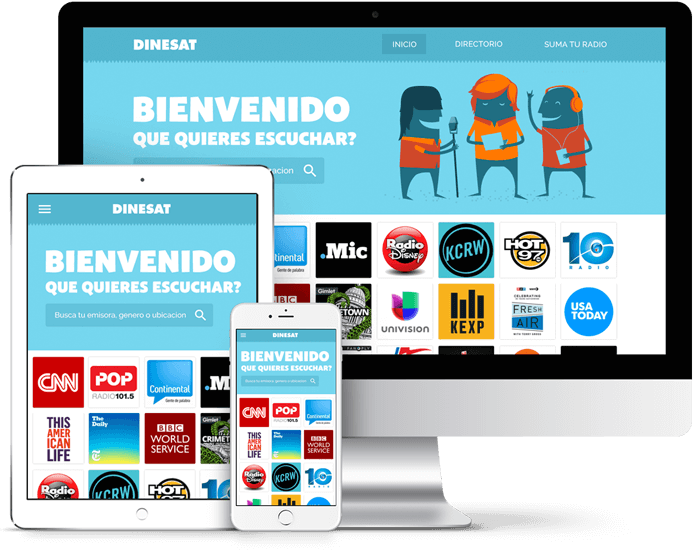
Diseñamos ambas aplicaciones y las dejamos disponibles en las tiendas para todos tus oyentes.
Hoy más que nunca necesitas tu aplicación para teléfonos móviles para que puedas acompañar a tu audiencia vaya adonde vaya.
Las aplicaciones contarán con el logotipo de la emisora, botón para escuchar y pausar, control de volumen, links a redes sociales y background playback.

La Asistencia Personalizada te ayudará a evitar o solucionar problemas. El servicio incluye atención prioritaria por mail, asistencia remota y línea de emergencias 24/7 sólo para problemas de emisión de aire.
Si ya cuentas con una suscripción activa contacta a Soporte.
Ir a SoporteEl soporte gratuito es sólo para consultas relacionadas con la instalación y activación inicial del producto. También puedes consultar el Centro de Ayuda donde encontrarás información útil sobre nuestros productos.