ÖFFNET MORGEN 9.00 UHR

ÖFFNET MORGEN 9.00 UHR

ÖFFNET MORGEN 9.00 UHR

Kannada Kagunita In English Pdf Patched | PROVEN × 2025 |

The mention of a PDF and "patched" makes me think they might be looking for a document that's been altered or made available unofficially. I need to be cautious here and not promote piracy or inappropriate content. Instead, I should direct them to legitimate resources or suggest creating original content based on available information.

So, the approach is to address the uncertainty around "Kannada Kagunita," explore possible interpretations, and then provide a framework for writing an informative blog post. Include potential headings, key aspects to cover, and sources to consult. Also, mention that if it's a specific and lesser-known topic, collaborating with local experts or cultural organizations could add depth. kannada kagunita in english pdf patched

Perhaps the user wants to create a blog post but needs research. In that case, discussing the structure, key points, and where to find credible sources would be helpful. Also, emphasizing the importance of proper citations and respecting copyright laws, especially if they're planning to share it online. The mention of a PDF and "patched" makes

Now, the user wants this in English PDF format and mentions "patched." That word is a bit confusing. In some contexts, "patched" could mean a modified version or a pirated copy. Since the user is asking for a PDF, perhaps they want a scanned document or an article that's been adjusted or "patched" to be accessible. Or maybe it's a typo for "patch" as in a fix, but that doesn't fit here. So, the approach is to address the uncertainty

Another angle: "Kagunita" could be a word from the Kannada language. Let me check the Kannada alphabet. Hmm, maybe it's a transliteration issue. Let's see, in Kannada, "kagunita" could be written and it's a traditional term. Maybe related to a song, ritual, or art form. Alternatively, perhaps it's connected to a specific community's cultural practice.

The mention of a PDF and "patched" makes me think they might be looking for a document that's been altered or made available unofficially. I need to be cautious here and not promote piracy or inappropriate content. Instead, I should direct them to legitimate resources or suggest creating original content based on available information.

So, the approach is to address the uncertainty around "Kannada Kagunita," explore possible interpretations, and then provide a framework for writing an informative blog post. Include potential headings, key aspects to cover, and sources to consult. Also, mention that if it's a specific and lesser-known topic, collaborating with local experts or cultural organizations could add depth.

Perhaps the user wants to create a blog post but needs research. In that case, discussing the structure, key points, and where to find credible sources would be helpful. Also, emphasizing the importance of proper citations and respecting copyright laws, especially if they're planning to share it online.

Now, the user wants this in English PDF format and mentions "patched." That word is a bit confusing. In some contexts, "patched" could mean a modified version or a pirated copy. Since the user is asking for a PDF, perhaps they want a scanned document or an article that's been adjusted or "patched" to be accessible. Or maybe it's a typo for "patch" as in a fix, but that doesn't fit here.

Another angle: "Kagunita" could be a word from the Kannada language. Let me check the Kannada alphabet. Hmm, maybe it's a transliteration issue. Let's see, in Kannada, "kagunita" could be written and it's a traditional term. Maybe related to a song, ritual, or art form. Alternatively, perhaps it's connected to a specific community's cultural practice.

ÖFFNET MORGEN 9.00

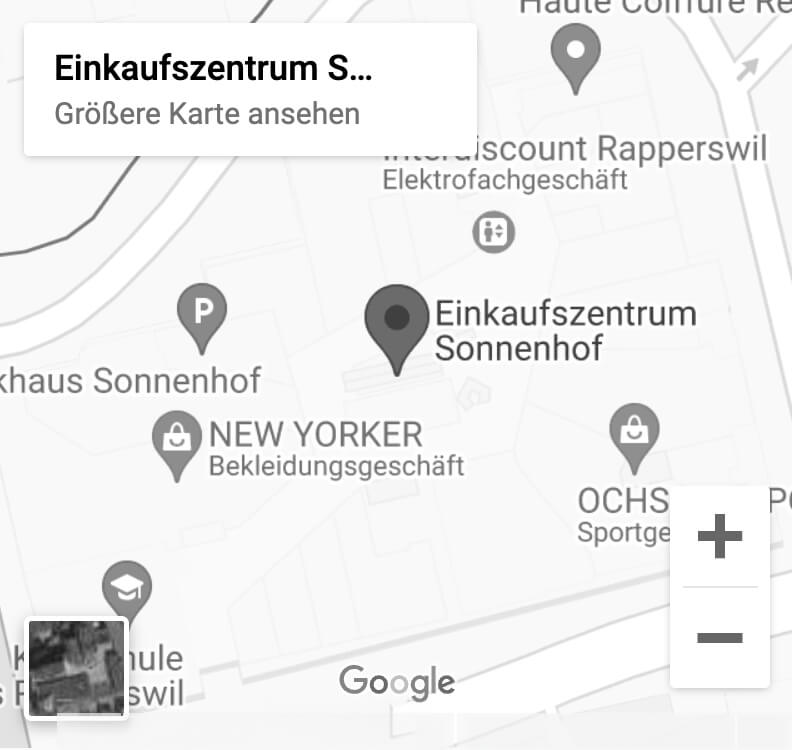
ANFAHRT

Einkaufszentrum Sonnenhof
Zürcherstrasse 4
8640 Rapperswil
Schweiz

Telnahmebedingungen

Mitmachen dürfen alle Kundinnen und Kunden des Sonnenhof. Ausgenommen sind Mitarbeitende, deren Geschäfte und deren Werbeagentur. Der Rechtsweg ist ausgeschlossen. Über die Ziehung wird keine Korrespondenz geführt. Der Gewinner / die Gewinnerin wird persönlich benachrichtigt. Pro Tag darf eine Person nur einmal das Formular ausfüllen. Bei Verdacht auf Betrug oder Manipulation behält sich der Sonnenhof das Recht vor, Leute von der Verlosung auszuschliessen. Die Barauszahlung der Preise ist nicht möglich. Die eingereichten Koordinaten werden nach beendigung des Wettbewerbs gelöscht und nicht für andere Zwecke verwendet.