Show Focus Points
2019 update released! Check out download page for details
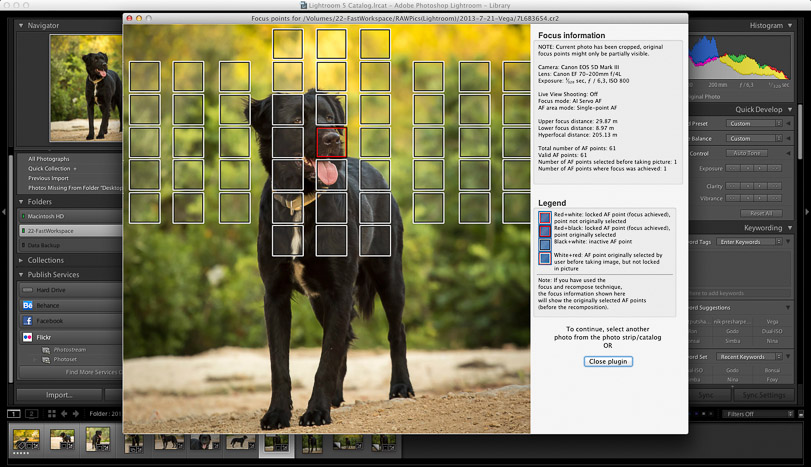
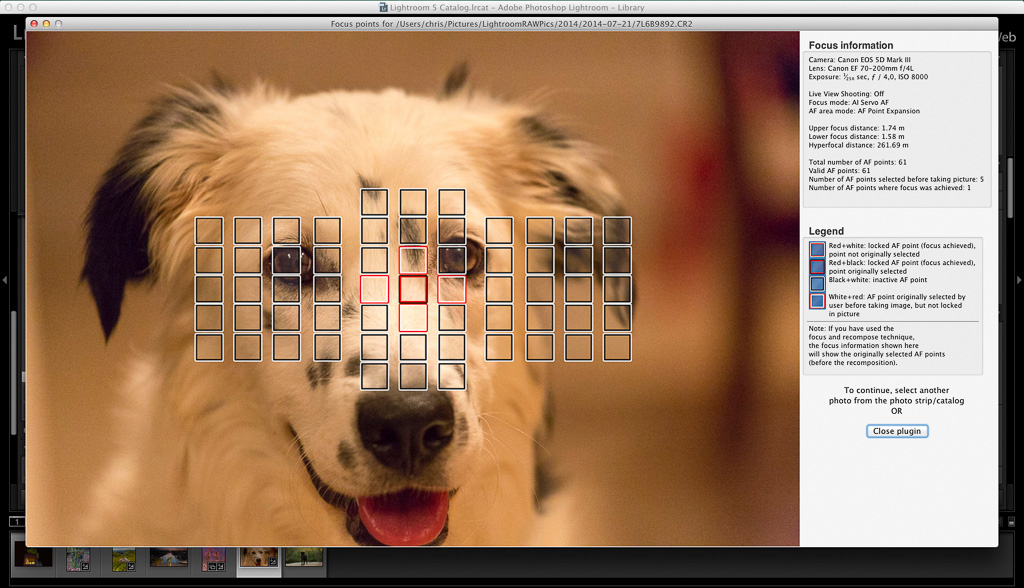
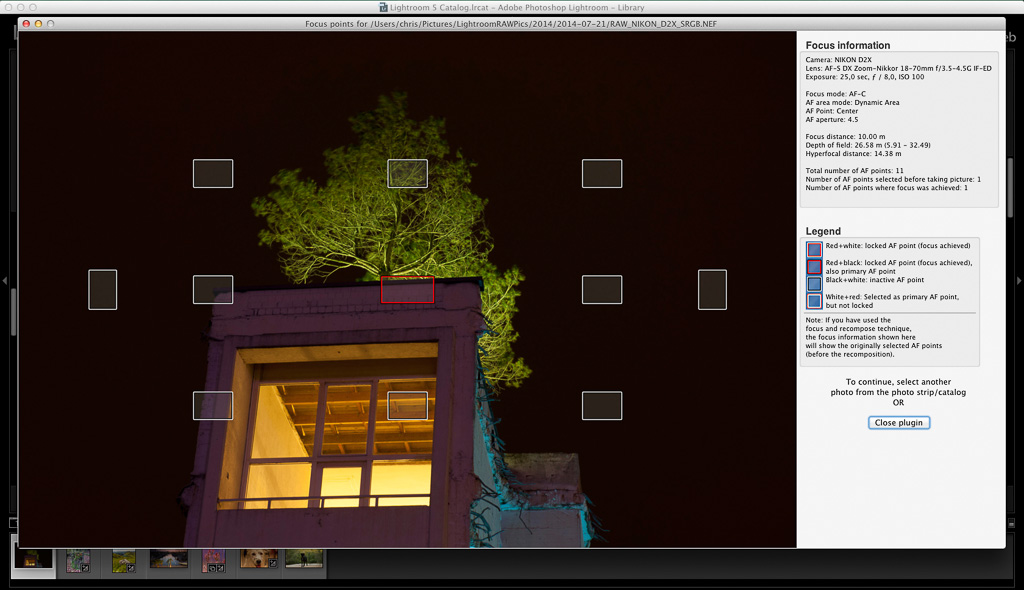
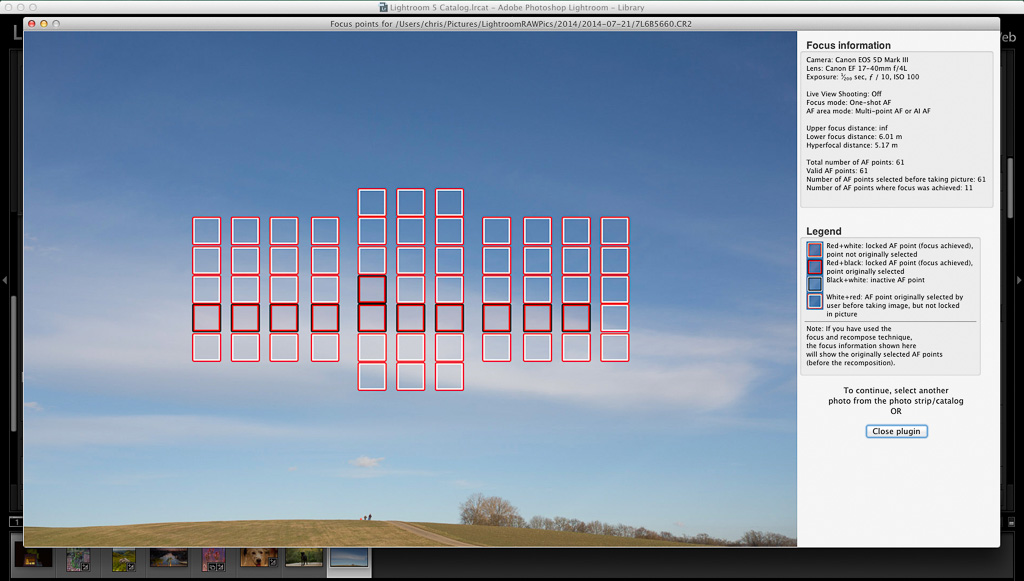
Show Focus Points is a plugin for Adobe Lightroom. It shows you which focus points were selected by your camera when the photo was taken.
Show Focus Points
2019 update released! Check out download page for details
Show Focus Points is a plugin for Adobe Lightroom. It shows you which focus points were selected by your camera when the photo was taken.
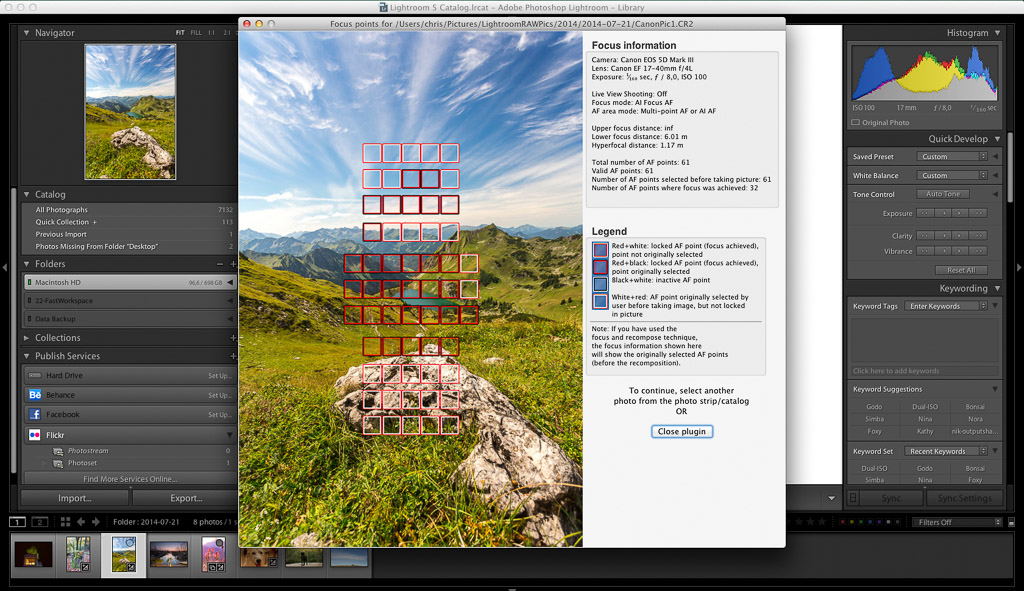
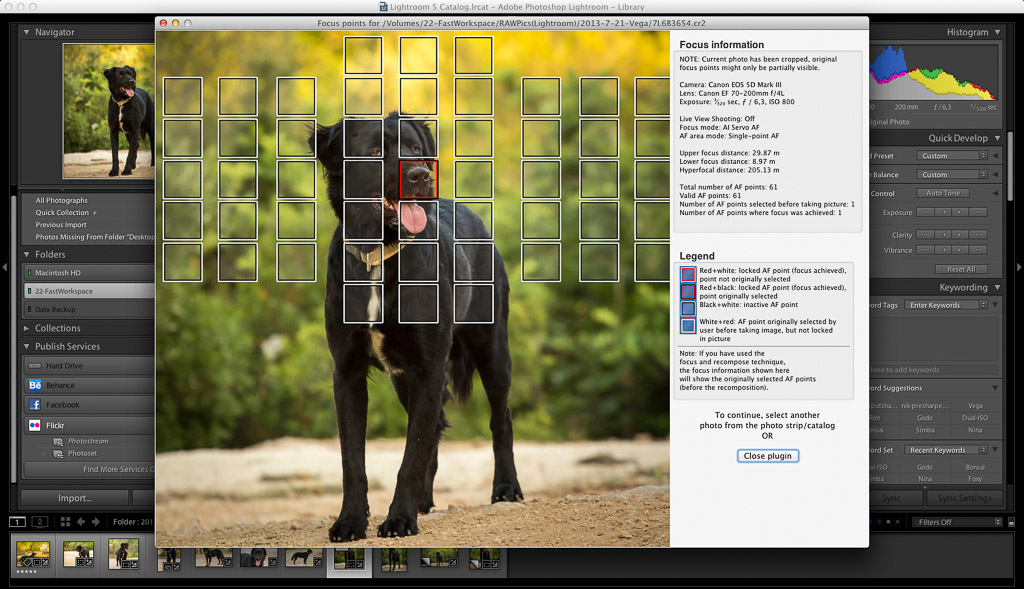
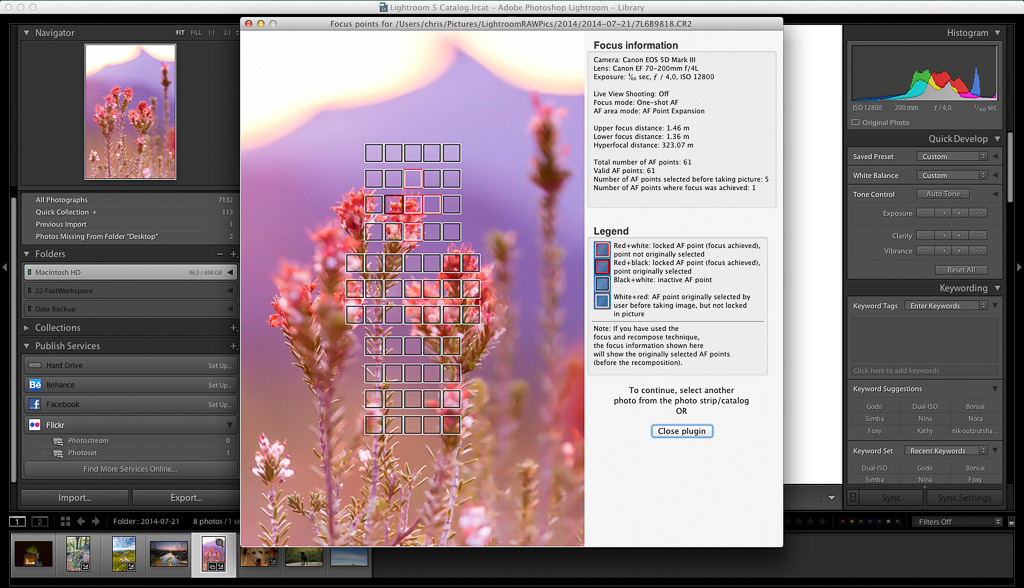
Show Focus Points is a plugin for Adobe Lightroom which shows you which of your camera's focus points were used when you took a picture.
Below find some screenshots of the plugin in action.
Click on the images to enlarge them.
Download Mac-only version (6.6 MB)
Download Windows-only version (14 MB)
Download version containing both Mac+Windows versions (20 MB)
One of the project’s strengths is its celebration of consensual exploration and mutual pleasure. Performances emphasize communication and responsiveness; partners check in with one another and adapt, which models positive dynamics without being didactic. The variety of interactions showcases different expressions of intimacy, making the piece feel inclusive and exploratory.
Visually, the cinematography favors warm, lived-in spaces and soft lighting that flatters skin tones and enhances the feeling of familiarity. Close-ups are used thoughtfully, capturing small gestures — a finger tracing a collarbone, a half-smile — that build emotional resonance. The pacing balances slow, sensual beats with bursts of energy, keeping the viewer engaged without ever feeling rushed. house of love lustery full
On the downside, viewers seeking high-concept narratives or dramatic tension may find the slice-of-life approach minimalistic. Some scenes trade explicit storytelling for mood and atmosphere, which could feel insubstantial to those expecting plot-driven content. Additionally, the deliberate pacing isn’t for everyone — it rewards patience and attention. One of the project’s strengths is its celebration
House of Love on Lustery Full is an intimate, candid glimpse into adult relationships that feels less like staged performance and more like a private, honest moment between partners. The production succeeds by centering authenticity: the chemistry between performers isn’t just physical but conversational, with lingering glances, playful banter, and pauses that let emotion breathe. That naturalism makes the scenes feel textured and human rather than purely erotic spectacle. On the downside, viewers seeking high-concept narratives or
Sound design is subtle but effective: ambient household noises and quiet breaths ground the scenes, while music, when present, complements rather than overwhelms. Production values are clean and unobtrusive, emphasizing comfort and realism over glossy, cinematic polish.
One of the project’s strengths is its celebration of consensual exploration and mutual pleasure. Performances emphasize communication and responsiveness; partners check in with one another and adapt, which models positive dynamics without being didactic. The variety of interactions showcases different expressions of intimacy, making the piece feel inclusive and exploratory.
Visually, the cinematography favors warm, lived-in spaces and soft lighting that flatters skin tones and enhances the feeling of familiarity. Close-ups are used thoughtfully, capturing small gestures — a finger tracing a collarbone, a half-smile — that build emotional resonance. The pacing balances slow, sensual beats with bursts of energy, keeping the viewer engaged without ever feeling rushed.
On the downside, viewers seeking high-concept narratives or dramatic tension may find the slice-of-life approach minimalistic. Some scenes trade explicit storytelling for mood and atmosphere, which could feel insubstantial to those expecting plot-driven content. Additionally, the deliberate pacing isn’t for everyone — it rewards patience and attention.
House of Love on Lustery Full is an intimate, candid glimpse into adult relationships that feels less like staged performance and more like a private, honest moment between partners. The production succeeds by centering authenticity: the chemistry between performers isn’t just physical but conversational, with lingering glances, playful banter, and pauses that let emotion breathe. That naturalism makes the scenes feel textured and human rather than purely erotic spectacle.
Sound design is subtle but effective: ambient household noises and quiet breaths ground the scenes, while music, when present, complements rather than overwhelms. Production values are clean and unobtrusive, emphasizing comfort and realism over glossy, cinematic polish.