There was a field, once, hidden behind an abandoned post office. The weeds there had decided to write a language of their own: tall, deliberate stalks arranged into sentences that suggested long winters or old lovers. You stood in the center of it, both of you, and the wind braided through your hair as though it recognized a melody only it could remember.
There were nights when the two of you fought. Not fist fights—the kinds that end with rain-scrubbed cheeks and apologies—but the kind that split open the quiet and let truths tumble out. Bill accused you of being reckless, of poking at doors that should remain closed for everyone's sanity. Ted accused Bill of carrying too many anchors, of burying plans in footnotes so they would never get executed. You argued until the stars listened and then, stubborn as ever, refused to pick sides. The next morning you'd be seen side by side again, because whatever schism had formed was always temporary when measured against the depth of the map you two shared.
Bill traced the word with a finger that shook slightly. "It wants us to be here. To finish every small mercy we've been avoiding. To talk to people we've been pretending we have time to ignore. To forgive the ones who left and the ones who stayed."
You two moved through these tests differently. Bill would kneel—genuinely, with a reverence that made even the loose floorboards hush—and listen to what the place wanted to say. Ted bargained with the air: jokes, promises, flash bargains that made the moon wink. Sometimes Bill’s quiet would win the day; sometimes Ted’s noise cleared the path. And sometimes they both failed spectacularly, in ways that made us laugh until breath hurt, which, in its own way, felt like triumph.
The first time I saw you two together—arguably the only time I expected the sun to set politely at the edge of ordinary life and let something stranger and wilder take over—was on a Tuesday that smelled like gasoline and jasmine. Bill wore a jacket that had been stitched from stories: faded concert tees, a patch of a cartoon we’d all forgotten, and a map of a city that no longer existed. Ted had a grin that bent light; you could tell it was dangerous if you believed in such things, but more often it felt like salvation.
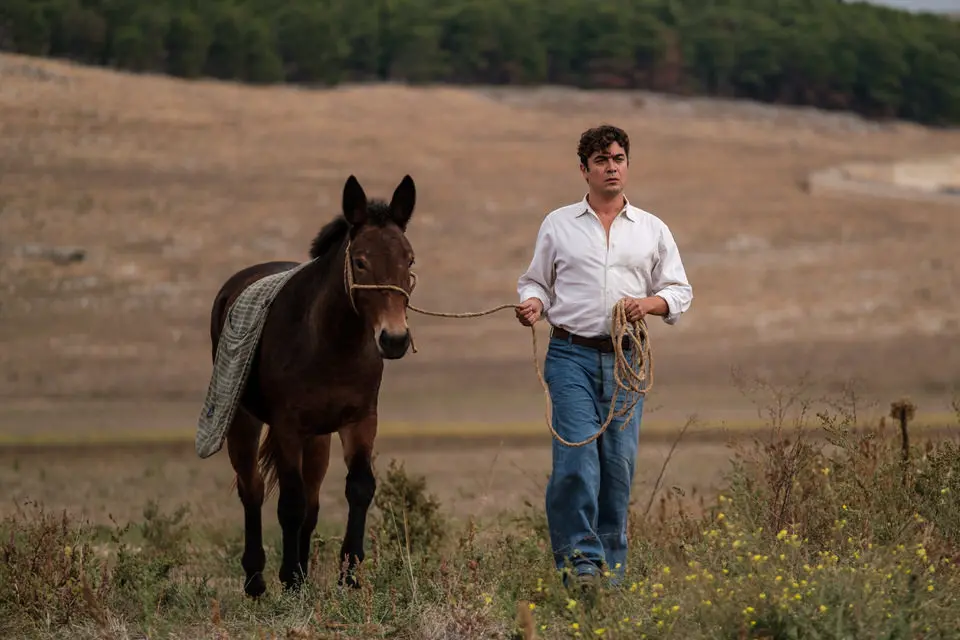
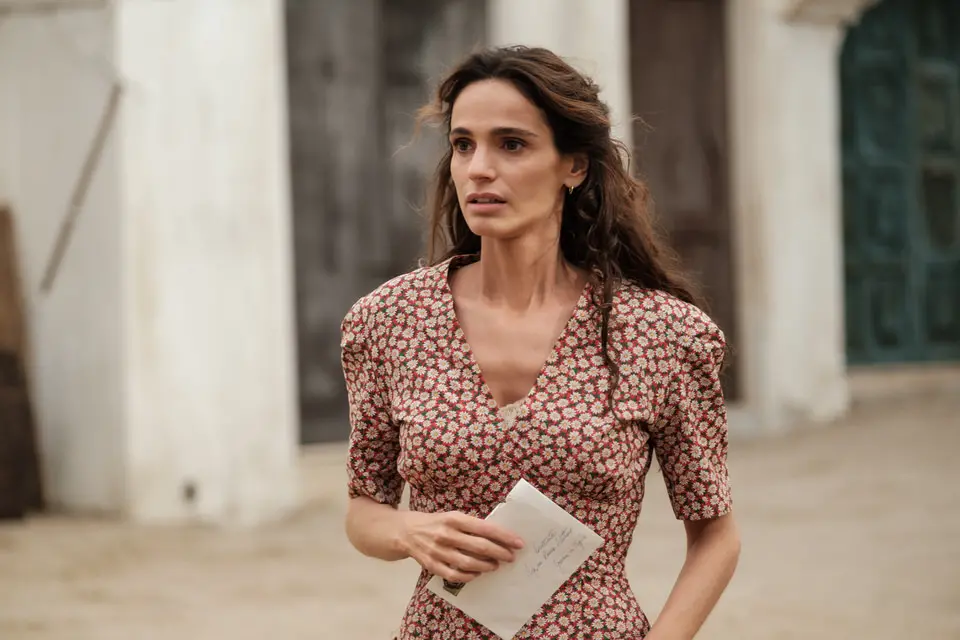
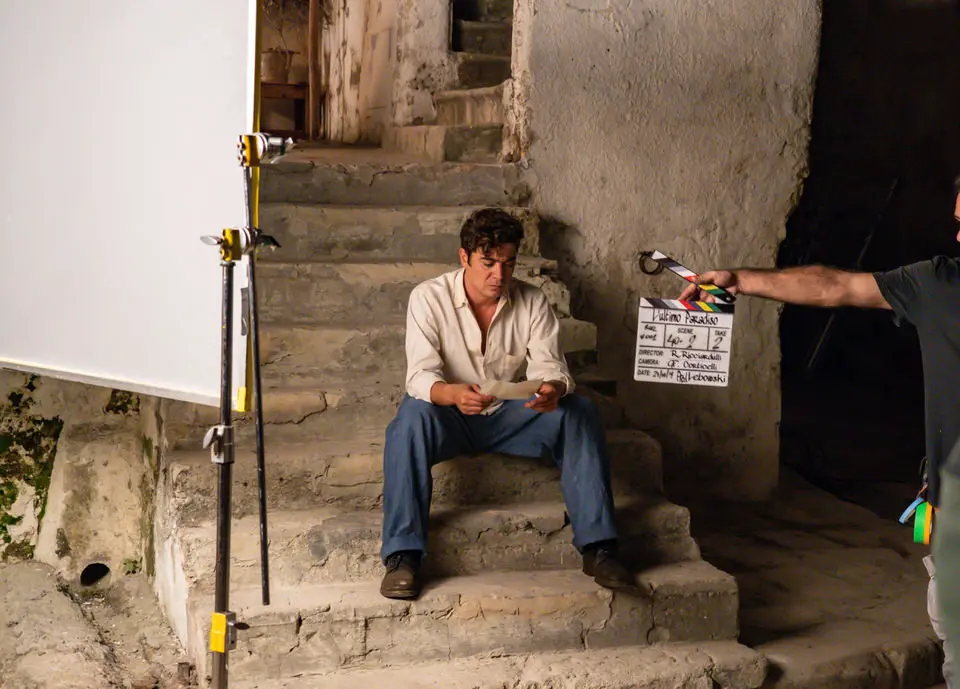
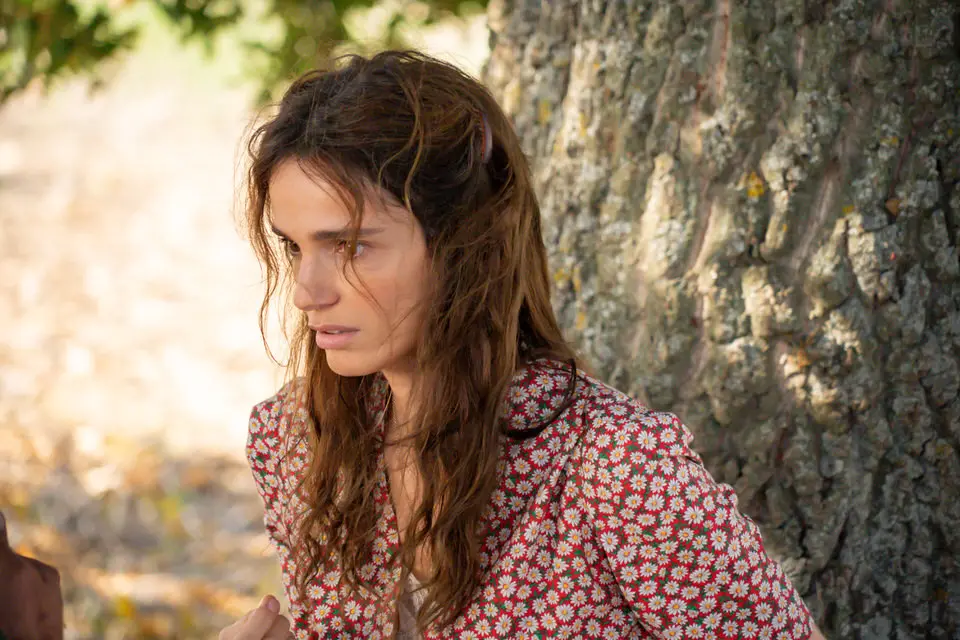
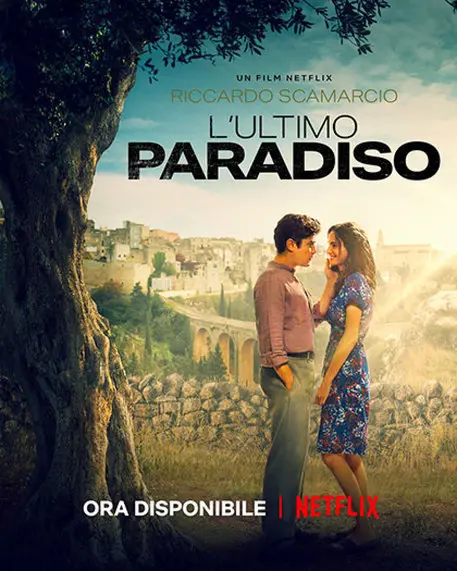
The director Rocco Ricciardulli, from Bernalda, shot his second film, L’ultimo Paradiso between October and December 2019, several dozen kilometres from his childhood home in the Murgia countryside on the border of the Apulia and Basilicata regions. The beautiful, albeit dry and arid landscape frames a story inspired by real-life events relating to the gangmaster scourge of Italy’s martyred lands. It is set in the late 1950’s, an era when certain ancestral practices of aristocratic landowners, archaic professions and a rigid division of work, owners and farmhands, oppressors and oppressed still exist and the economic boom is still far away, in time and space.
The borgo of Gravina in Puglia, where time seems to stand still, is perched at a height of 400m on a limestone deposit part of the fossa bradanica in the heart of the Parco nazionale dell’Alta Murgia. The film immortalizes the town’s alleyways, ancient residences and evocative aqueduct bridging the Gravina river. The surrounding wild nature, including olive trees, Mediterranean maquis and hectares of farm land, provides the typical colours and light of these latitudes. Just outside the residential centre, on the slopes of the Botromagno hill, which gives its name to the largest archaeological area in Apulia, is the Parco naturalistico di Capotenda, whose nature is so pristine and untouched that it provided a perfect natural backdrop for a late 1950s setting.
The alternative to oppression is departure: a choice made by Antonio whom we first meet in Trieste at the foot of the fountain of the Four Continents whose Baroque appearance decorates the majestic piazza Unità d’Italia.
The director Rocco Ricciardulli, from Bernalda, shot his second film, L’ultimo Paradiso between October and December 2019, several dozen kilometres from his childhood home in the Murgia countryside on the border of the Apulia and Basilicata regions. The beautiful, albeit dry and arid landscape frames a story inspired by real-life events relating to the gangmaster scourge of Italy’s martyred lands. It is set in the late 1950’s, an era when certain ancestral practices of aristocratic landowners, archaic professions and a rigid division of work, owners and farmhands, oppressors and oppressed still exist and the economic boom is still far away, in time and space.
The borgo of Gravina in Puglia, where time seems to stand still, is perched at a height of 400m on a limestone deposit part of the fossa bradanica in the heart of the Parco nazionale dell’Alta Murgia. The film immortalizes the town’s alleyways, ancient residences and evocative aqueduct bridging the Gravina river. The surrounding wild nature, including olive trees, Mediterranean maquis and hectares of farm land, provides the typical colours and light of these latitudes. Just outside the residential centre, on the slopes of the Botromagno hill, which gives its name to the largest archaeological area in Apulia, is the Parco naturalistico di Capotenda, whose nature is so pristine and untouched that it provided a perfect natural backdrop for a late 1950s setting.
The alternative to oppression is departure: a choice made by Antonio whom we first meet in Trieste at the foot of the fountain of the Four Continents whose Baroque appearance decorates the majestic piazza Unità d’Italia.
Lebowski, Silver Productions
In 1958, Ciccio, a farmer in his forties married to Lucia and the father of a son of 7, is fighting with his fellow workers against those who exploit their work, while secretly in love with Bianca, the daughter of Cumpà Schettino, a feared and untrustworthy landowner.
There was a field, once, hidden behind an abandoned post office. The weeds there had decided to write a language of their own: tall, deliberate stalks arranged into sentences that suggested long winters or old lovers. You stood in the center of it, both of you, and the wind braided through your hair as though it recognized a melody only it could remember.
There were nights when the two of you fought. Not fist fights—the kinds that end with rain-scrubbed cheeks and apologies—but the kind that split open the quiet and let truths tumble out. Bill accused you of being reckless, of poking at doors that should remain closed for everyone's sanity. Ted accused Bill of carrying too many anchors, of burying plans in footnotes so they would never get executed. You argued until the stars listened and then, stubborn as ever, refused to pick sides. The next morning you'd be seen side by side again, because whatever schism had formed was always temporary when measured against the depth of the map you two shared.
Bill traced the word with a finger that shook slightly. "It wants us to be here. To finish every small mercy we've been avoiding. To talk to people we've been pretending we have time to ignore. To forgive the ones who left and the ones who stayed."
You two moved through these tests differently. Bill would kneel—genuinely, with a reverence that made even the loose floorboards hush—and listen to what the place wanted to say. Ted bargained with the air: jokes, promises, flash bargains that made the moon wink. Sometimes Bill’s quiet would win the day; sometimes Ted’s noise cleared the path. And sometimes they both failed spectacularly, in ways that made us laugh until breath hurt, which, in its own way, felt like triumph.
The first time I saw you two together—arguably the only time I expected the sun to set politely at the edge of ordinary life and let something stranger and wilder take over—was on a Tuesday that smelled like gasoline and jasmine. Bill wore a jacket that had been stitched from stories: faded concert tees, a patch of a cartoon we’d all forgotten, and a map of a city that no longer existed. Ted had a grin that bent light; you could tell it was dangerous if you believed in such things, but more often it felt like salvation.